01
Work with the Foundation
For organisations, funders and developers who want to support or co-create the work — and for architects, engineers and teachers who want to contribute their discipline to it.
Start a conversation
The B. Foundation · Architecture for Humanity
Twenty years of rebuilding underserved communities through design — homes, water, schools, and the means to stand independently. The same rigour behind landmark architecture, turned toward dignity.
In this section
Measured impact
Two decades of work, recorded country by country.
Our mission
Through sustainable development — offering opportunities for growth, dignity and self-reliance. A building is never only a structure. Done with care it becomes shelter, school, livelihood, and the beginning of independence.
Our vision
To create a world where design and development transcend aesthetics to become powerful tools for social transformation — fostering equitable opportunities and improved living conditions for marginalized communities.
The founder
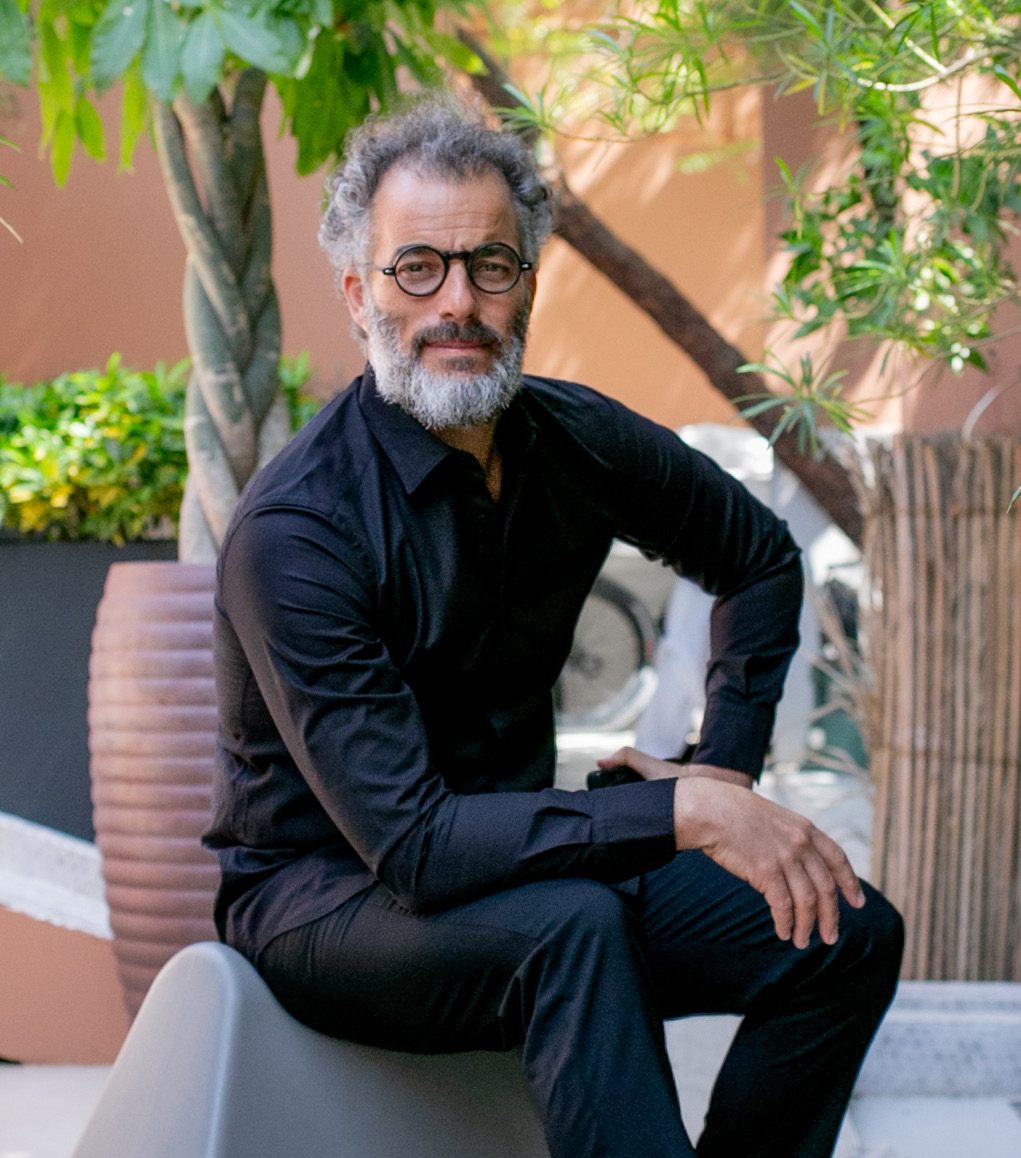
The B. Foundation was founded by Boubker Benjelloun — architect, developer and founder of Benjelloun & Partners. The discipline behind landmark developments is the same discipline he brings to the field.
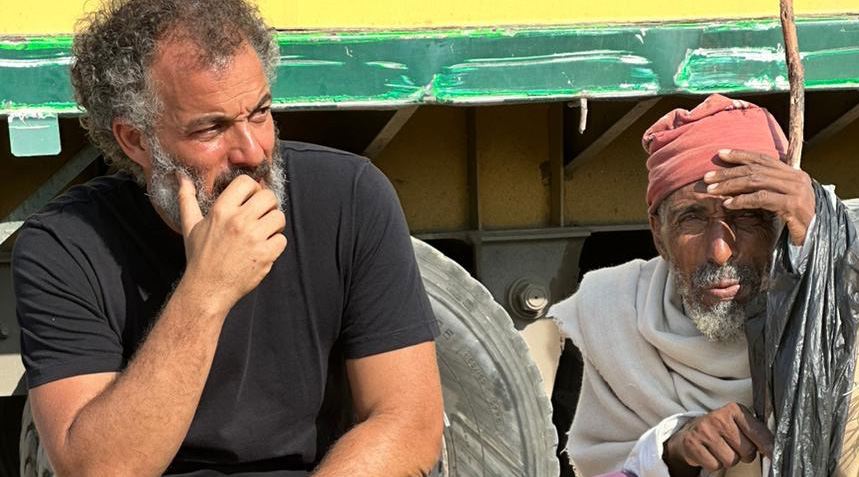
He doesn't send aid and leave. He designs what a community will still be using in twenty years — and builds it alongside the people who'll live there. In most of that work he has been physically present on site.
In every brick we lay and every community we rebuild, we plant more than structures: we cultivate hope, dignity, and the power to dream. Boubker Benjelloun · CEO & Founder
The challenge
Our philosophy
Although the Foundation's primary focus is Africa, its vision is global. It aims to inspire other philanthropic and development initiatives by demonstrating that innovative architecture and design can play a transformative role in improving the living conditions of underserved populations.
The Foundation's work exemplifies the intersection of architecture, design and social impact. Its philosophy of rebuilding communities through both physical infrastructure and sustainable development creates opportunities for growth, dignity and self-sufficiency in the places that need it most.
That is why every project here is published with its drawings, its materials and its cost logic — not only its outcome. What the Foundation learns, others should be able to build from.
The work
Durable commitments, not campaigns. Each runs across several countries.
Where we work
Eight countries across three regions. Select one to see what the Foundation does there.
The register
Twelve projects. Filter by country, programme or stage — then open any one for its full case study.
No projects match those filters.
The field
Written on site, by the people who were there.
Field documentation
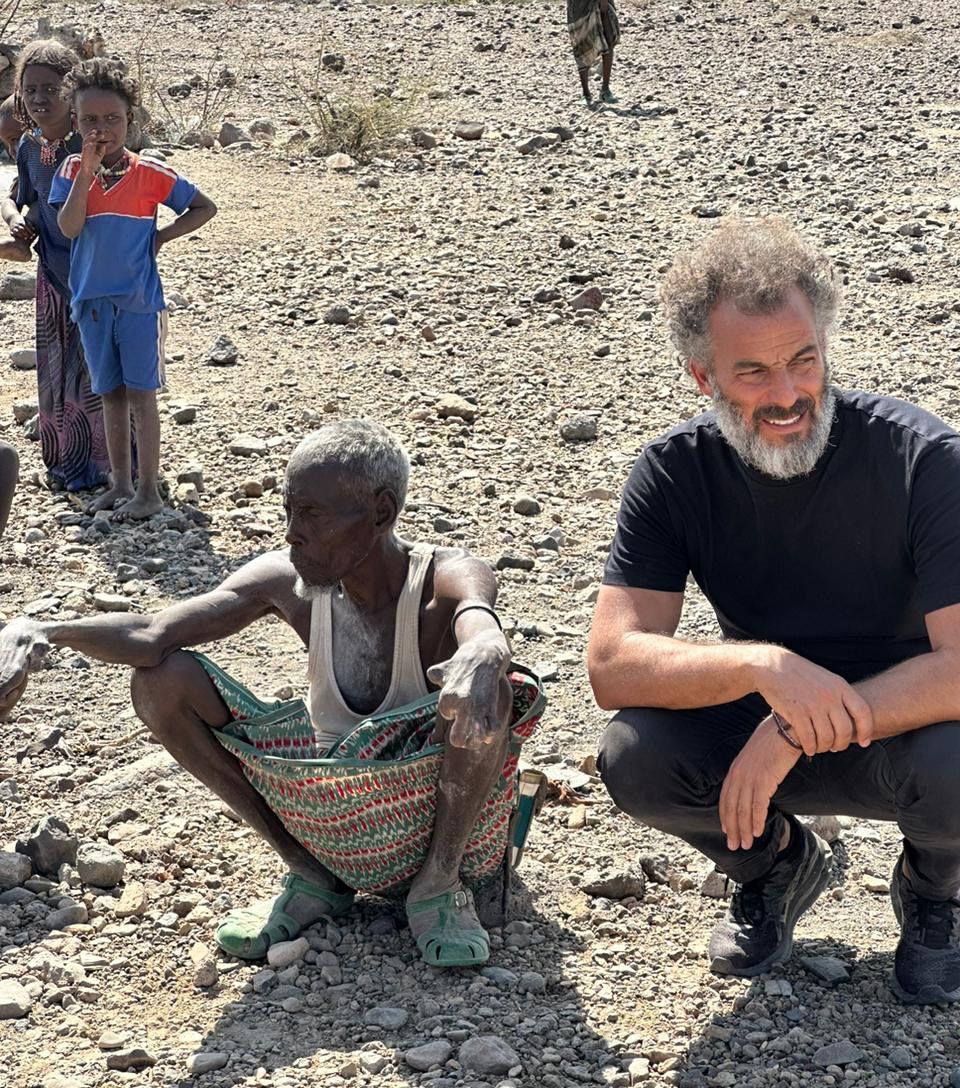
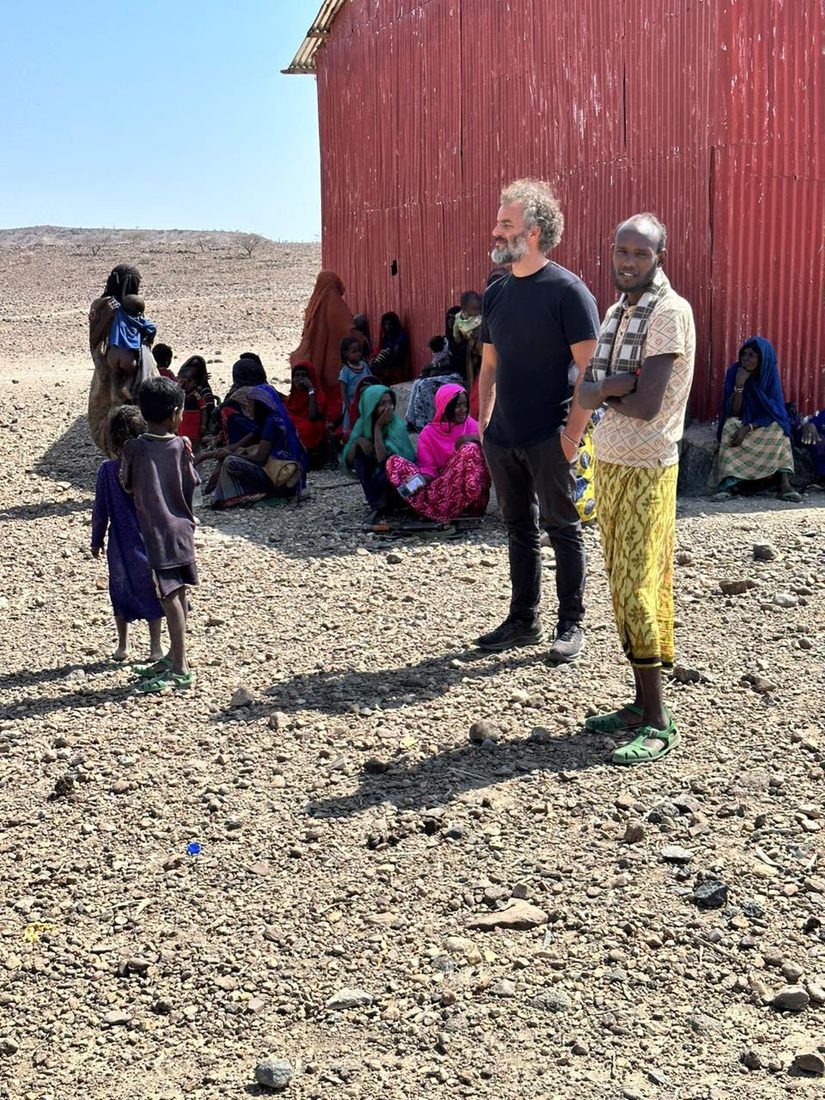
Kenya, Somalia, Sudan and Ethiopia — photographed on site.
Evidence timeline
Anchored to when the work happened, not when it was written up. Periods with no records are shown as undocumented rather than empty.
Evidence centre
Published, in preparation, or not yet established — stated honestly in each case.
Transparency
Partners
Documentation
Thirty-seven pages: the mission and vision, the philosophy, the six programmes, all eight countries and the key achievements — the complete record as it stands.
Get involved
01
For organisations, funders and developers who want to support or co-create the work — and for architects, engineers and teachers who want to contribute their discipline to it.
Start a conversationCommon questions
A foundation that rebuilds underserved communities through design — homes, water, schools, and the means to stand independently. It applies the same rigour as landmark architecture, turned toward dignity.
Across three regions: Africa (Kenya, Somalia, Sudan, Ethiopia), Asia (Indonesia, Malaysia) and the Middle East (Mecca, Palestine). Each region has initiatives shaped around local needs.
Six programmes: food security, water access, reconstruction, education, livelihoods and emergency relief. Each is described above, with the countries it runs in.
It was founded by Boubker Benjelloun, founder of the practice, and applies the same design discipline to humanitarian work. Villages are designed and built, not assembled from standard shelter.
Evidence record