
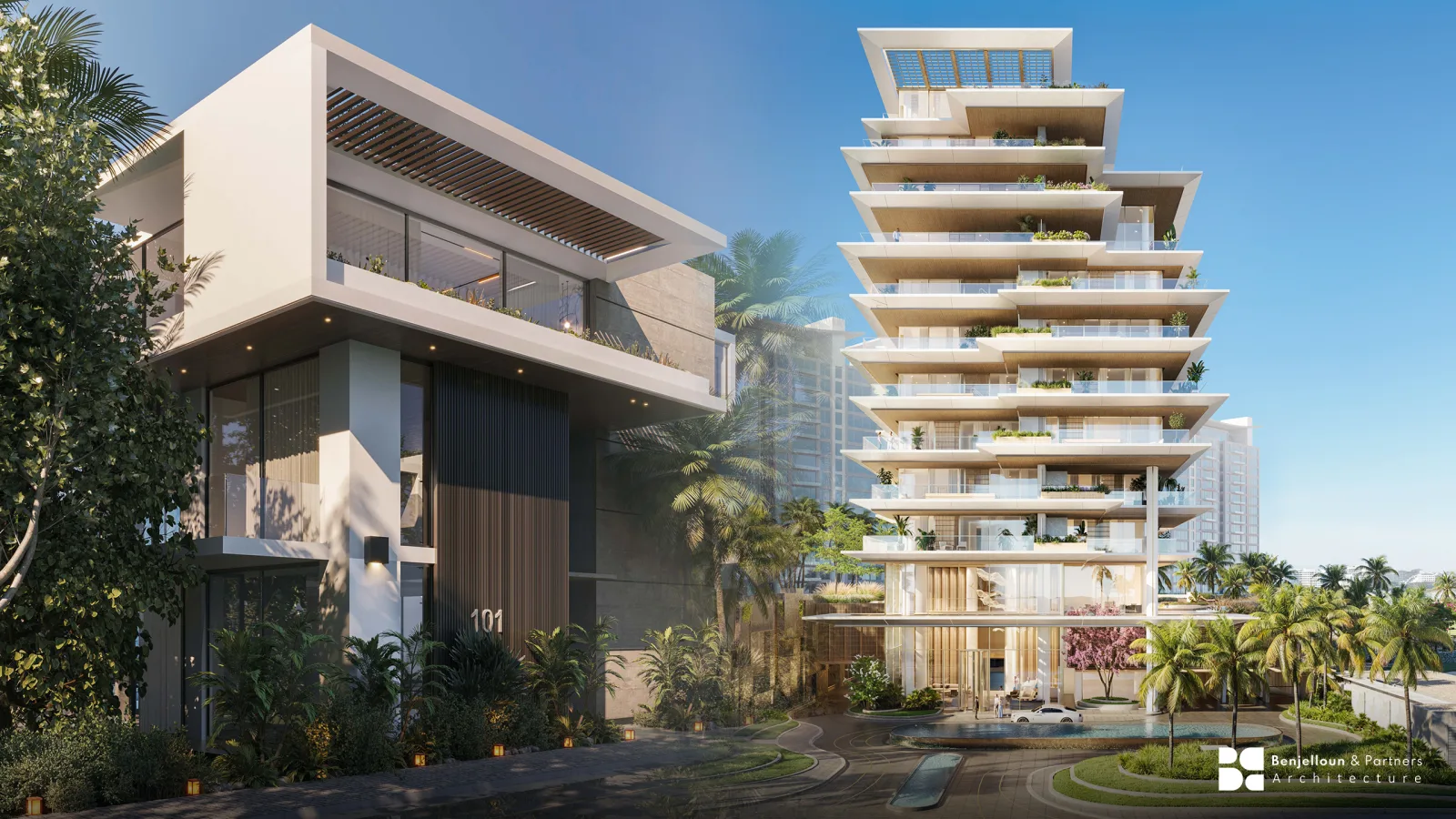
في الفيلا، سيخبرك أحدهم بالموضع الذي ينبغي أن يكون فيه المطبخ، لأنه هو من سيطبخ فيه. أما في البرج فلن يخبرك أحد، لأن أياً من الأسر التي ستسكنه لم تدخل المشروع بعد. وكل ما عدا ذلك من فوارق بين النمطين ينبع من هذه الحقيقة.
كلاهما مكان للسكن، ولا يكاد شيء في تصميمهما يتشابه. والعملاء الذين أنجزوا أحدهما واقتربوا من الآخر يتوقعون كثيراً أن يكون الفارق فارقاً في الحجم. لكنه فارق فيما يحكم التصميم، وفي هوية العميل الحقيقي، وفي موضع الصعوبة. وإدراك ذلك قبل تعيين أي مكتب أمر يستحق العناء، لأن النمطين يكافئان ممارسات مختلفة، وهياكل تكليف مختلفة، وقدراً مختلفاً من وقت العميل نفسه.
عميل واحد أم آلاف العملاء
للفيلا الخاصة عميل سيعيش فيها. له آراء في المطبخ لأنه سيطبخ فيه، وموجزه التصميمي محدد على نحو لا تبلغه أي دراسة سوق. فالتصميم هنا حوار، والتكرار متوقّع، ومقياس النجاح هو أن تجد أسرة واحدة أن المبنى مناسب لها.
أما البرج السكني فعميله مطوّر وشاغله سوق. ولن يعيش فيه أحد ممن شاركوا في التصميم. والموجز مستخلَص من مزيج الوحدات، والمشتري المستهدف، والمشاريع المماثلة، والنمذجة المالية. ومقياس النجاح هو أن تجد بضع مئات من الأسر، لم تُستشر واحدة منها، أن الوحدات منافِسة.
وهذا يغيّر طبيعة الحكم التصميمي. ففي الفيلا يقرأ المعماري شخصاً، وفي البرج يقرأ سوقاً، والأمران يتطلبان حدسين مختلفين. كما يغيّر ذلك طبيعة التكليف: فعمل الفيلا يقوم على تواصل مستمر مع العميل على مدى طويل، بينما يقوم عمل البرج على محطات قرار دورية مع عميل محترف يدير عدة مشاريع في الوقت نفسه.
التكرار يغيّر اقتصاديات كل شيء
في البرج، القرار الذي يُتَّخذ مرة واحدة يُنفَّذ مئات المرات. هذه هي الحقيقة الاقتصادية المركزية لهذا النمط، وهي التي تقود عملية التصميم بأكملها.
ولأن البلاطة النمطية تتكرر، فإن أوجه القصور الصغيرة تتراكم. فمئة ميلليمتر مهدورة في حركة طابق نمطي تتحول إلى خسارة معتبرة في المساحة القابلة للبيع على مستوى المبنى. وتفصيلة تستغرق ساعة إضافية في التنفيذ تكلّف تلك الساعة في كل تكرار. ولهذا يستثمر تصميم الأبراج كل هذا الجهد في حسم الطابق النمطي والوحدة النمطية، ولهذا تتركز فيهما هندسة القيمة.
والمنطق نفسه يجعل الاستثمار مجدياً. فتخطيط حمّام صُقل عبر مراجعات كثيرة يكون مصقولاً في كل شقة. ووحدة واجهة طُوِّرت بعناية تُطوَّر مرة واحدة وتُركَّب مئات المرات. فمكسب الإصابة يتضخم بالقدر نفسه الذي تتضخم به كلفة الخطأ.
أما في الفيلا فلا شيء يتكرر. كل فراغ يُصمَّم مرة ويُبنى مرة. لا كفاءة تُكتسب من التنميط ولا عقوبة على التنوّع، وهذا بالضبط ما يجعل الفيلا قادرة على استيعاب التفرّد الذي لا تحتمله الأبراج.
أين تقع صعوبة التصميم فعلياً
في البرج، المسائل الصعبة مسائل بنيوية شاملة. فموقع النواة وحجمها، والشبكة الإنشائية، وارتفاع الطابق الصافي، واستراتيجية المناور الرأسية، ومزيج الوحدات، وطريقة تراكب البلاطات، كلها تُحسم مبكراً، وهي متشابكة، وإعادة النظر فيها باهظة إلى أبعد حد. وبمجرد تثبيت الشبكة والنواة يصبح التصميم محسوماً في معظمه؛ وما يلي ذلك تنقيح.
والنقل الرأسي تخصص قائم بذاته، وتوفير المصاعد ليس تفصيلة خدمية بل عامل يحدد المسقط وجدوى المبنى ذاتها. كذلك تشكّل استراتيجية الحريق ومسارات الإخلاء والتقسيم إلى نطاقات مقاومة المسقطَ منذ البداية.
أما في الفيلا فالمسائل الصعبة فراغية ومرتبطة بالموقع. كيف يستقر البيت على قطعته، وكيف يتعامل مع الشمس والجيران، وكيف يعمل مقطعه الرأسي، وأين تقع العتبات بين الداخل والخارج، وكيف يبدو تتابع الفراغات وأنت تتنقل بينها. وتُحسم هذه بالمراجعة المتكررة لا بالحساب، والصعوبة فيها صعوبة حُكم لا صعوبة تنسيق.
العلاقة بالموقع
الفيلا تشتبك مع قطعتها اشتباكاً مباشراً. فالحديقة والحدود والمناسيب والتوجيه كلها جزء من العمارة، ويمكن تشكيل المبنى حول ما يميّز الموقع.
أما البرج فيشتبك مع قطعته عند الأرض ثم يغادرها. فمعظم المبنى لا علاقة له بالموقع إطلاقاً فيما عدا التوجيه والإطلالة، والظروف المهمة هي تلك التي تمسّ القاعدة: الوصول، ونقطة الإنزال، ومواقف السيارات، والخدمة، وكيفية التقاء المبنى بالشارع.
ولهذا يكون الطابق الأرضي في البرج صعباً بصورة غير متناسبة. فهو الجزء الوحيد المرتبط بالموقع ارتباطاً حقيقياً، وهو يستوعب وظائف لا توجد في أي مكان آخر، ويحمل وحده عبء الطريقة التي يختبر بها المبنى كل من لا يسكنه. فكل من يمرّ بجوار برج لا يلتقي في حياته سوى بأمتاره الستة الأولى.
البرنامج الزمني والعملية
مشاريع الفلل أطول قياساً إلى حجمها، لأن مراجعات العميل تستغرق وقتاً ولأن العميل عادةً يقرر بنفسه بدل أن يفوّض. وهي تضم عدداً أقل من الاستشاريين وعبء تنسيق أخف، لكنها تتطلب حواراً تصميمياً أوسع.
أما مشاريع الأبراج فتضم فريق تصميم أكبر، وعبء تنسيق أثقل، وقدراً أكبر مما يجب الاتفاق عليه خارج المشروع قبل المضي فيه. والبرنامج التصميمي فيها أكثر ضغطاً قياساً إلى مدة التنفيذ، ومحطات القرار أشد أثراً لأن التراجع عنها مكلف.
وكلاهما ملزم بتلبية متطلبات الاعتماد، لكن الوزن يختلف. فالفيلا داخل مجتمع سكني منظّم تُقاس غالباً بدليل التصميم الخاص بذلك المجتمع أكثر من أي شيء آخر. أما البرج فيستدعي مراجعة فنية أشمل وأكثر عدداً، وهذا أحد أسباب اتساع فريقه.
ما يعنيه ذلك عند التكليف
هذان تكليفان مختلفان، والأسئلة التي تستحق الطرح تختلف بينهما.
ففي الفيلا تدور الأسئلة حول العملية والانتباه. ما مقدار المشاركة المباشرة المتوقعة من العميل؟ وكم عدد المراجعات المتوقعة؟ ومن سيكون متاحاً للعميل خلال التصميم؟ وهل سيبقى المكتب مرتبطاً بالمشروع خلال التنفيذ، وهو أمر بالغ الأثر في مبنى فريد تُحسم تفاصيله أثناء بنائه.
أما في البرج فتدور الأسئلة حول القدرة والتنسيق. هل التكليف تصميم فقط أم تسليم كامل؟ ومن ينسّق بقية التخصصات؟ وكيف سيُطوَّر الطابق النمطي ويُختبر من حيث الكفاءة؟ وماذا يحدث إذا تحرك السوق وتغيّر مزيج الوحدات بعد تثبيت الإنشاء؟
وتضم محفظتنا النمطين معاً. فمشروعا One Hundred and One Lagoon Villas وForest House La Courbe مشروعان سكنيان فاخران في دبي؛ في حين أن Al Ghaf Tower وCube 45 برجان سكنيان، إلى جانب أبراج سكنية بعلامات فندقية في دبي وأبوظبي. الفيلا والبرج يقيمان في المكتب نفسه، ولا يُداران بالطريقة نفسها مرتين — وهذا هو خلاصة ما سبق.
مفاهيم شائعة خاطئة
«الفرق بين الفيلا والبرج فرق في الحجم أساساً»
هو فرق في هوية العميل الحقيقي، وفيما يحكم التصميم، وفي موضع الصعوبة — لا في الحجم وحده.
«معماري الفلل الجيد سيكون بالضرورة جيداً في الأبراج»
في الفيلا يقرأ المعماري شخصاً، وفي البرج يقرأ سوقاً. والأمران يتطلبان حدسين مختلفين وهيكلَي تكليف مختلفين.
«لا مكان للتنميط في تصميم الفلل»
صحيح، لكن للسبب المعاكس لأهميته في الأبراج: لا شيء يتكرر في الفيلا، فلا كفاءة تُكتسب من التنميط ولا عقوبة على التنوّع.
«الطابق الأرضي في البرج عنصر تصميمي ثانوي»
هو الجزء الوحيد من المبنى المرتبط بالموقع ارتباطاً حقيقياً، وهو يحمل وحده عبء الطريقة التي يختبر بها المبنى كل من لا يسكنه.
ما يعنيه ذلك عند التكليف
- في الفيلا، احسم مقدار المشاركة المباشرة المتوقعة من العميل قبل التكليف
- في البرج، تأكّد مما إذا كان التكليف تصميماً فقط أم تسليماً كاملاً
- اسأل عمّن ينسّق بقية التخصصات، في النمطين معاً
- احسم البلاطة النمطية قبل أي شيء آخر، في البرج
- توقّع مراجعات متكررة في الفيلا، وقرارات مبكرة لا رجعة فيها في البرج — وخصّص انتباهك تبعاً لذلك
لن تختار العمارة نيابةً عنك بين النمطين. لكن يجدر أن تعرف أن كلاً منهما يلزمك بشيء مختلف: أحدهما يطلب وقتك ويكافئك عليه، والآخر يطلب قرارات مبكرة لا رجعة فيها ويكافئك على إحسانها.
ولمعرفة ما إذا كانت الفيلا تحتاج إلى معماري أصلاً وما الذي يشمله ذلك التكليف، انظر هل تحتاج إلى معماري لفيلا في دبي. وللأسئلة التصميمية الخاصة بالأبراج، انظر تصميم الأبراج السكنية الشاهقة في دبي. ولمعرفة كيف تُبنى هياكل التكليف، انظر اختيار مكتب عمارة في الإمارات. والموازنة بين النمطين حوار يُحسن إجراؤه قبل رسم أيٍّ منهما. تحدّث إلينا.